Fashion in 2026 is not just about looking good—it’s about intention, innovation, and identity. This year marks a powerful shift where technology, sustainability, and self-expression intersect more than ever before. From AI-assisted design to eco-conscious fabrics and bold personal aesthetics, the fashion landscape is evolving rapidly. Whether you’re a trend enthusiast or someone refining your everyday wardrobe, here’s a deep dive into the defining fashion trends of 2026 and how they’re shaping what everyone will be wearing.
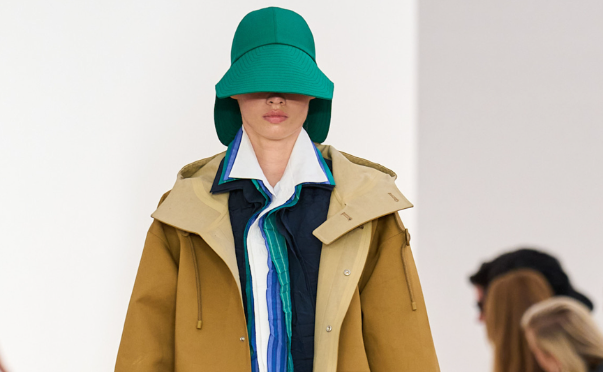
1. Tech-Integrated Fashion Goes Mainstream
In 2026, fashion and technology are no longer separate worlds. Smart clothing has moved beyond novelty and into everyday wear. Think temperature-regulating jackets, fitness-tracking activewear, and fabrics that adapt to environmental conditions.
Consumers are embracing garments that offer both style and functionality. For example, color-shifting fabrics that respond to light or heat are becoming popular in streetwear, while embedded sensors in activewear help track posture, movement, and health metrics. This fusion of fashion and function is especially appealing to younger, tech-savvy audiences.
2. Sustainability Is the Standard, Not a Trend
Eco-conscious fashion has officially become the baseline expectation in 2026. Shoppers are more informed and intentional, prioritizing brands that use recycled materials, biodegradable fabrics, and ethical production methods.
Key sustainable trends include:
- Plant-based leather alternatives (like mushroom and cactus leather)
- Recycled polyester and ocean plastics
- Zero-waste design techniques
Capsule wardrobes are also gaining traction, with consumers opting for fewer, high-quality pieces that can be styled in multiple ways. The “buy less, wear more” philosophy is reshaping how people approach fashion consumption.
3. Gender-Fluid and Inclusive Fashion
Rigid fashion categories are fading fast. In 2026, gender-fluid clothing is not just accepted—it’s expected. Designers are creating collections that focus on silhouettes, comfort, and expression rather than traditional gender norms.
Oversized tailoring, neutral color palettes, and versatile pieces dominate this space. Clothing is being designed to fit a wide range of body types, promoting inclusivity and accessibility. This shift reflects a broader cultural movement toward individuality and freedom of expression.
4. Digital Fashion and Virtual Style
With the rise of virtual spaces, digital fashion is booming. People are investing in outfits for their online personas just as much as their physical wardrobes. From social media avatars to gaming environments, virtual fashion is becoming a new frontier for creativity.
Digital-only garments—often purchased as NFTs or wearable skins—allow users to experiment with bold, futuristic designs without physical limitations. This trend is also influencing real-world fashion, with designers drawing inspiration from digital aesthetics like holographic textures and surreal silhouettes.
5. Elevated Streetwear
Streetwear continues to dominate in 2026, but with a more refined and polished edge. The blend of casual and luxury elements is creating a new category often referred to as “elevated streetwear.”
Key pieces include:
- Tailored joggers
- Structured hoodies
- Minimalist sneakers
- Statement outerwear
Neutral tones like beige, charcoal, and olive are trending, alongside occasional pops of neon or metallic accents. The focus is on clean lines, quality fabrics, and subtle branding rather than loud logos.
6. Maximalism Makes a Comeback
While minimalism still has its place, 2026 is seeing a strong resurgence of maximalism. Bold prints, layered textures, and vibrant color combinations are making waves across runways and street style alike.
This trend encourages experimentation—mixing patterns, clashing colors, and combining different materials in a single outfit. It’s a celebration of creativity and confidence, allowing individuals to showcase their personality through fashion.
7. Nostalgia Reimagined
Fashion in 2026 is heavily influenced by past decades, but with a modern twist. Y2K aesthetics are still going strong, joined by elements from the ‘70s, ‘80s, and ‘90s.
Popular nostalgic pieces include:
- Baggy denim and cargo pants
- Crop tops and baby tees
- Platform shoes
- Retro windbreakers
What sets 2026 apart is how these styles are being updated with contemporary fabrics, fits, and technology, making them feel fresh rather than outdated.
8. Smart Fabrics and Performance Wear
Performance wear is no longer limited to the gym. In 2026, smart fabrics are being used across all categories of clothing, from formalwear to everyday basics.
Wrinkle-resistant suits, stain-repellent shirts, and breathable, moisture-wicking fabrics are becoming standard. These innovations cater to busy lifestyles, offering convenience without compromising on style.
Athleisure continues to evolve, blending seamlessly with workwear and casual outfits. It’s now common to see tailored blazers paired with performance leggings or sneakers styled with formal attire.
9. Cultural Fusion and Global Influence
Globalization and digital connectivity are influencing fashion like never before. In 2026, designers are drawing inspiration from diverse cultures, creating fusion styles that blend traditional elements with modern design.
Embroidery, handcrafted textiles, and heritage patterns are being incorporated into contemporary silhouettes. This trend not only celebrates cultural diversity but also supports artisan communities and traditional craftsmanship.
However, there’s a growing emphasis on respectful representation and authenticity, with consumers holding brands accountable for cultural sensitivity.
10. Personalized and AI-Driven Style
Personalization is a major trend in 2026, driven by advancements in artificial intelligence. Fashion platforms now offer highly tailored recommendations based on individual preferences, body type, and lifestyle.
AI is also being used in design, allowing consumers to co-create garments or customize existing pieces. From choosing fabric and color to adjusting fit and features, shoppers are becoming active participants in the design process.
This shift is making fashion more inclusive and empowering, giving people greater control over their style.
Final Thoughts
The fashion trends defining 2026 reflect a world that values innovation, sustainability, and individuality. It’s a year where boundaries are being pushed—whether through technology, cultural exchange, or personal expression.
What stands out most is that fashion is becoming more meaningful. It’s no longer just about following trends but about aligning style with values, identity, and lifestyle. Whether you’re embracing smart fabrics, exploring digital fashion, or building a sustainable wardrobe, 2026 offers endless possibilities to redefine how you dress and express yourself.
If there’s one takeaway, it’s this: in 2026, fashion is less about fitting in—and more about standing out, thoughtfully.