Fashion in 2026 is undergoing a powerful transformation—one that goes far beyond seasonal trends or color palettes. At the center of this shift is gender-fluid fashion, a movement that challenges traditional norms and redefines how clothing is designed, marketed, and worn. No longer confined by binary categories, style has become a space for freedom, inclusivity, and self-expression.
This evolution isn’t just a passing phase—it’s a cultural reset. Here’s how gender-fluid fashion is shaping the industry in 2026 and what it means for the future of style.
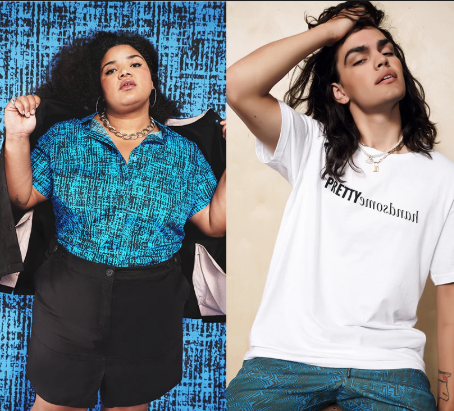
What Is Gender-Fluid Fashion?
Gender-fluid fashion refers to clothing that isn’t designed specifically for men or women. Instead, it focuses on versatility, comfort, and individuality. These designs are created to be worn by anyone, regardless of gender identity.
In 2026, this approach has moved from niche to mainstream. Major brands and independent designers alike are embracing collections that blur—or completely erase—traditional gender lines. The result? Clothing that prioritizes how it feels and what it expresses, rather than who it’s “for.”
The Shift Away from Gendered Clothing
For decades, fashion has been divided into clearly defined categories: menswear and womenswear. But in 2026, those boundaries are rapidly dissolving.
Retail spaces are changing, too. Many stores are moving toward unisex sections or organizing clothing by style rather than gender. Online platforms are adopting inclusive sizing and filtering options that reflect this shift.
This change is driven by a growing demand for authenticity. People want clothing that reflects who they are—not what outdated norms say they should wear.
Key Elements of Gender-Fluid Style in 2026
Gender-fluid fashion isn’t about a single look—it’s about flexibility. However, certain elements are defining the aesthetic this year:
1. Relaxed Silhouettes
Oversized blazers, wide-leg trousers, and loose-fitting shirts dominate the scene. These pieces move away from body-specific tailoring and offer comfort and adaptability.
2. Neutral and Adaptive Color Palettes
While bold colors are still popular, many gender-fluid collections focus on neutrals like black, white, beige, and grey—tones that transcend traditional gender associations.
3. Layering and Versatility
Layered outfits allow wearers to mix and match pieces in creative ways. A long tunic over trousers, or a structured jacket over a flowing top, creates a look that’s dynamic and personal.
4. Minimal Branding, Maximum Expression
Instead of loud logos, the emphasis is on texture, cut, and detail. The design speaks for itself, allowing the wearer’s identity to take center stage.
The Role of Culture and Identity
Gender-fluid fashion is deeply connected to broader conversations around identity, representation, and equality. In 2026, younger generations in particular are rejecting rigid labels and embracing more fluid ways of expressing themselves.
Social media has played a huge role in amplifying this movement. Creators and influencers from diverse backgrounds are showcasing styles that challenge norms and inspire others to do the same.
This cultural shift is also encouraging more inclusive representation in fashion campaigns, runway shows, and media—helping normalize a wider spectrum of identities.
Designers and Brands Leading the Way
Many forward-thinking designers have made gender-fluid fashion a core part of their identity. Their collections are built around inclusivity from the ground up, rather than adapting traditional designs.
Luxury and streetwear brands alike are following suit, introducing unisex lines and rethinking how they present their collections. Runways in 2026 often feature mixed-gender shows, where clothing is styled without regard to traditional categories.
This approach not only reflects modern values but also opens up new creative possibilities.
The Impact on Everyday Style
Gender-fluid fashion isn’t limited to high fashion—it’s influencing how people dress every day.
You’ll see:
- Blazers paired with skirts or loose trousers, regardless of gender
- Jewelry and accessories worn without traditional constraints
- Footwear choices that prioritize style over gender norms
For many, this shift is empowering. It allows individuals to build wardrobes based on personal taste rather than societal expectations.
Inclusive Sizing and Fit Innovation
One of the biggest challenges in gender-fluid fashion has been fit. In 2026, brands are addressing this with more inclusive sizing systems and adaptive designs.
Instead of labeling sizes as “men’s” or “women’s,” many brands are using universal sizing charts. Adjustable features—like elastic waistbands, modular pieces, and customizable lengths—are becoming more common.
These innovations make clothing more accessible and comfortable for a wider range of body types.
Challenges and Ongoing Conversations
While progress is significant, gender-fluid fashion still faces challenges.
1. Market Resistance
Some consumers and regions are slower to adopt non-binary fashion concepts, creating uneven global acceptance.
2. Tokenism vs. Authenticity
Not all brands approach inclusivity with genuine intent. Some are criticized for using gender-fluid fashion as a marketing trend rather than a meaningful commitment.
3. Accessibility
Truly inclusive fashion must also be affordable and widely available—something the industry is still working toward.
Despite these challenges, the overall direction is clear: fashion is becoming more inclusive and representative.
The Future of Gender-Fluid Fashion
Looking ahead, gender-fluid fashion is set to become the norm rather than the exception. As societal attitudes continue to evolve, clothing will increasingly be designed without predefined categories.
We can expect:
- More brands adopting gender-neutral collections
- Greater diversity in models and representation
- Continued innovation in fit, fabric, and design
- A stronger focus on individuality over conformity
Final Thoughts
Gender-fluid fashion in 2026 is more than a trend—it’s a reflection of a changing world. It challenges outdated ideas and opens the door to a more inclusive, expressive future.
At its core, this movement is about freedom: the freedom to wear what feels right, to express identity without limitation, and to redefine style on your own terms.
In breaking boundaries, fashion is finally becoming what it was always meant to be—a true expression of who we are.